Courtesy loans are short-term financing arrangements offered as a temporary financial accommodation by lenders, dealerships, employers, or service providers. They are typically structured for emergency or bridge funding needs, may involve simplified underwriting, and can carry interest or fees depending on the provider and regulatory classification.
A courtesy loan refers to a temporary credit facility extended as a goodwill or relationship-based financial accommodation. Unlike traditional installment loans that follow rigid underwriting frameworks, courtesy loans are often provided to existing customers, members, or clients experiencing short-term liquidity gaps.
The defining characteristic of courtesy loans is contextual flexibility. Approval decisions may consider customer history, service relationship, or membership standing rather than relying solely on standardized credit scoring metrics. However, this flexibility does not eliminate contractual repayment obligations.
In financial terminology, most courtesy loans fall under unsecured short-term credit unless backed by collateral such as a vehicle or payroll authorization. According to consumer lending industry practices, unsecured short-duration lending carries higher default risk, which may translate into elevated Annual Percentage Rates (APR).
Why They Are Called “Courtesy” Loans
The term “courtesy” reflects the discretionary or relationship-based nature of the financing rather than a legal loan category. It does not indicate the loan is interest-free or informal. Under the Truth in Lending Act, lenders must disclose:
- APR
- Total finance charges
- Payment schedule
- Total repayment amount
This disclosure requirement applies even if the credit is presented as a courtesy.
In many cases, the label is marketing-driven. Financial institutions may use the term to signal supportive customer service. However, legally, courtesy loans are structured as binding credit agreements governed by state and federal lending regulations.
Who Typically Offers Courtesy Loans?
Courtesy loans may be offered by:
- Credit unions
- Community banks
- Auto dealerships
- Employers (salary advances)
- Medical or service providers
Regulatory oversight may involve agencies such as:
- Consumer Financial Protection Bureau
- Federal Trade Commission
- National Credit Union Administration
Oversight scope depends on lender classification and state jurisdiction.
How Courtesy Loans Work
Application Process
The application process for courtesy loans is typically simplified compared to conventional personal loans. Borrowers may be required to provide:
- Government-issued identification
- Proof of income or employment
- Bank account details
- Membership or customer status verification
In dealership contexts, courtesy loans may be processed simultaneously with service agreements. In employer-based settings, payroll records may substitute for traditional underwriting documentation.
Approval timelines are often accelerated, sometimes within 24 to 72 hours, depending on institutional policy.
Approval Criteria
Approval criteria vary widely but generally include:
- Evidence of repayment capacity
- Existing customer relationship
- Employment stability
- Internal account standing
Unlike prime personal loans tied strictly to FICO thresholds, courtesy loans may rely more heavily on internal risk scoring. However, many lenders still perform soft or hard credit checks depending on compliance requirements.
Risk-adjusted pricing models often apply. According to Federal Reserve consumer credit observations, short-term unsecured lending carries statistically higher delinquency rates than secured lending products. This influences pricing structure.
Repayment Structure
Most courtesy loans follow one of three repayment formats:
- Lump-sum repayment within 30–60 days
- Short installment structure (3–12 months)
- Payroll-deducted structured repayment
Repayment may be automatic via ACH debit authorization. Failure to repay can trigger:
- Late fees
- Collection procedures
- Credit reporting (if applicable)
Not all courtesy loans are reported to credit bureaus. Reporting policies depend on lender participation agreements with major bureaus.
Interest Rates and Fees
Interest rates vary significantly depending on:
- State lending caps
- Lender type
- Borrower risk profile
- Loan duration
APR ranges for short-term unsecured products may extend from 8% (credit union-based programs) to above 36% in higher-risk lending categories.
Additional costs may include:
- Origination fees
- Administrative processing charges
- Late penalties
- Returned payment fees
Under federal disclosure standards, total repayment cost must be transparently stated before contract execution.
Loan Term Length
Loan terms are typically short in duration:
| Term Type | Typical Duration | Risk Profile |
|---|---|---|
| Emergency lump-sum | 30–60 days | High liquidity sensitivity |
| Short installment | 3–12 months | Moderate risk |
| Payroll-based | 1–6 pay cycles | Lower collection risk |
Shorter terms reduce long-term interest accumulation but increase immediate repayment pressure.
Types of Courtesy Loans
Courtesy loans are not standardized products. They differ depending on provider context.
Dealership Courtesy Vehicle Loans

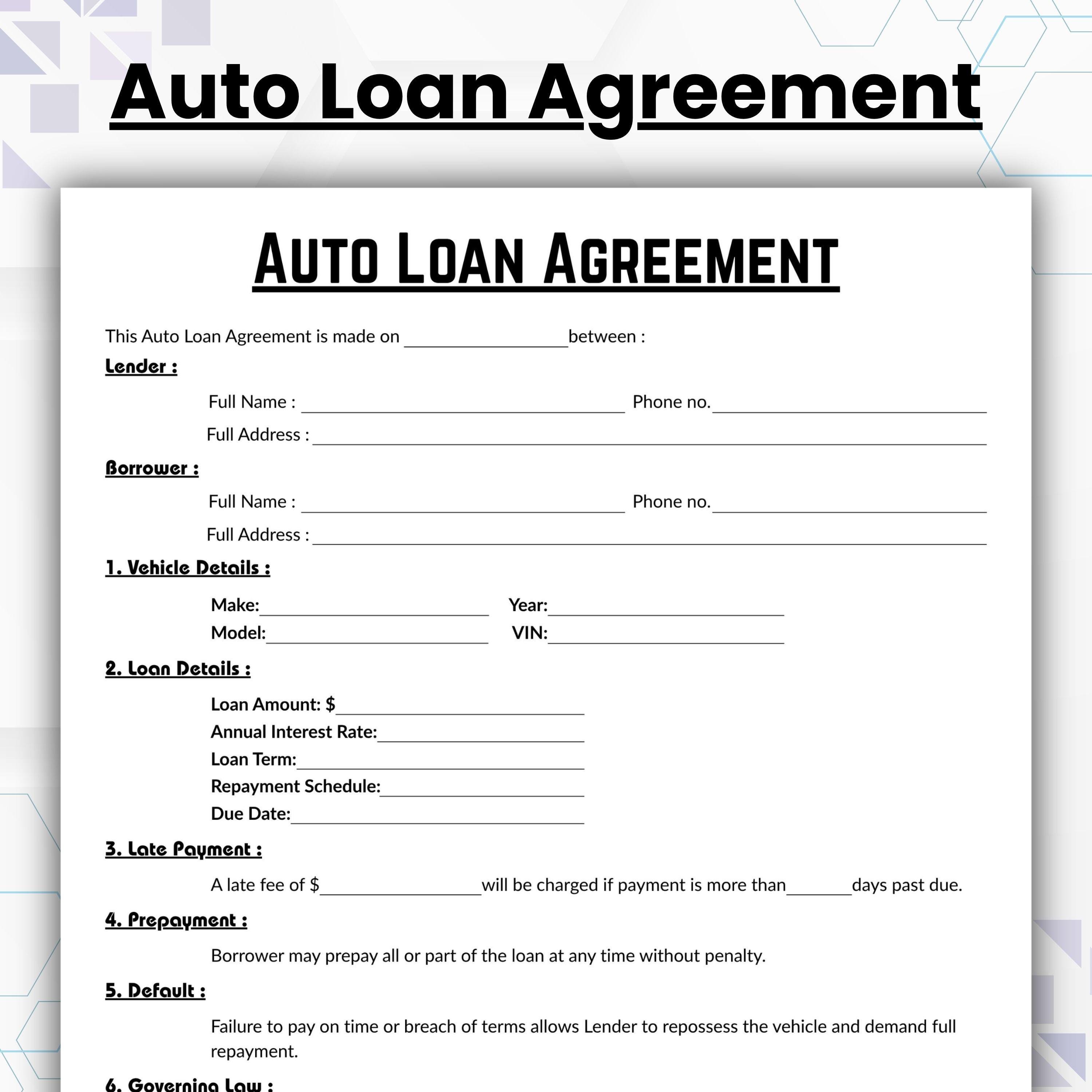

4
Auto dealerships may extend temporary financing when:
- A buyer awaits formal bank approval
- Repair costs exceed immediate cash availability
- A trade-in transaction requires short bridge funding
In some cases, auto dealerships provide courtesy loaner vehicles, which are fundamentally different from courtesy loans. A courtesy loaner vehicle allows a customer to use a car temporarily—usually while their own vehicle is undergoing repairs, warranty service, or maintenance. This arrangement does not involve lending money, charging interest, or creating a debt obligation.
A courtesy loaner vehicle is a service-based accommodation, not a credit product. The customer signs a temporary use agreement rather than a financing contract. There is no APR, no repayment schedule, and no finance charge because no funds are advanced. Instead, the dealership retains ownership of the vehicle and grants limited, conditional access for a defined period.
Key distinctions include:
- No principal amount is issued
- No repayment obligation exists
- No interest or finance charge applies
- No credit check is required (in most cases)
- Insurance verification may be required instead of income verification
Loaner agreements may include:
- Mileage restrictions
- Fuel return requirements
- Liability waivers
- Insurance coverage confirmation
- Damage responsibility clauses
In contrast, courtesy loans involve a transfer of funds that must be repaid under agreed financial terms. Those transactions are governed by consumer lending regulations, including disclosure requirements under federal and state law.
Understanding this distinction is critical. While both arrangements may be described as “courtesy” offerings, only one constitutes regulated credit. A courtesy loaner vehicle provides temporary mobility support, whereas a courtesy loan creates a legally enforceable repayment obligation.
Dealership financing structures must comply with federal and state motor vehicle finance regulations.
Credit Union Emergency Courtesy Loans
Member-owned institutions sometimes provide small-dollar emergency loans with capped APRs. These programs may resemble Payday Alternative Loans (PALs), structured to reduce predatory lending exposure.
Credit unions typically:
- Cap maximum borrowing limits
- Restrict rollover frequency
- Require membership standing
These versions of courtesy loans often carry lower APRs compared to commercial short-term lenders.
Employer-Based Courtesy Advances
Some employers extend salary advances structured as:
- Zero-interest payroll deductions
- Short-term internal financing
- Emergency hardship advances
These are not always legally classified as loans if structured as earned wage access. Classification depends on fee structure and repayment obligations.
Medical or Service Courtesy Financing
Healthcare providers and service firms may extend internal financing when insurance claims are delayed. These arrangements can:
- Break large balances into installments
- Defer payment for 30–90 days
- Apply administrative fees
Depending on structure, they may fall under consumer credit regulation.
Courtesy Loans vs Other Short-Term Financing
Understanding comparative structure clarifies risk and cost exposure.
Structural Comparison
| Feature | Courtesy Loans | Payday Loans | Installment Loans | Personal Loans |
|---|---|---|---|---|
| Term Length | Short | Very short | Medium | Medium–Long |
| APR Range | Variable | High | Moderate–High | Lower (prime) |
| Credit Check | Often | Sometimes minimal | Yes | Yes |
| Regulation Level | Varies | State-based | State/Federal | Federal/State |
| Repayment | Lump or installment | Lump-sum | Installment | Installment |
Payday loans generally carry higher APR ceilings in many jurisdictions. Courtesy loans may offer more flexible structuring depending on lender type.
Risk Comparison
Risk exposure depends on:
- APR magnitude
- Loan term
- Borrower liquidity
- Rollover potential
High-frequency rollover behavior significantly increases total repayment burden. A rollover occurs when a borrower cannot repay the full balance at maturity and instead refinances the existing obligation into a new short-term agreement. While this may provide temporary payment relief, it resets finance charges and extends the debt cycle.
Each rollover typically adds:
- A new finance charge
- Additional administrative or processing fees
- Extended interest accrual
- Potential late penalties
Even if the principal balance remains unchanged, the cumulative cost increases because fees are repeatedly applied over successive cycles.
Compounding Cost Effect
When short-term refinancing occurs multiple times, the effective cost of borrowing rises substantially above the initially disclosed APR. For example:
| Original Loan | APR | Term | Single-Cycle Cost |
|---|---|---|---|
| $1,000 | 36% | 30 days | ~$30 interest (approx.) |
If rolled over three times, the borrower may pay approximately $90 or more in finance charges without reducing principal meaningfully. The longer the rollover sequence continues, the higher the total repayment relative to the original borrowed amount.
Effective APR Expansion
Consumer finance research indicates that repeated short-duration refinancing can push the effective annualized cost well beyond the nominal APR disclosed at origination. This occurs because:
- Fees are re-applied each cycle
- Interest is recalculated on the outstanding balance
- Repayment is delayed without principal reduction
In behavioral lending analysis, rollover patterns are strongly correlated with borrower liquidity stress. According to industry observations, borrowers who refinance multiple times may repay more in cumulative fees than the original principal amount.
Debt Cycle Risk
High-frequency refinancing can create a structural debt cycle characterized by:
- Initial short-term liquidity gap
- Inability to meet full repayment at maturity
- Renewal with additional fees
- Increased financial pressure
- Further refinancing
This cycle increases default probability and total cost exposure. Financial regulators often monitor rollover frequency as a risk indicator in short-term lending markets.
Risk Mitigation Considerations
To reduce rollover risk, borrowers should:
- Calculate total repayment before accepting the loan
- Confirm whether partial principal payments reduce future interest
- Avoid refinancing unless repayment capacity is verified
- Explore lower-cost alternatives when available
Repeated short-term refinancing multiplies effective borrowing cost and increases long-term financial strain. Careful upfront affordability assessment is essential to prevent cumulative fee escalation.
Cost Structure Analysis
Example Cost Breakdown
| Loan Amount | Term | APR | Total Interest | Total Repayment |
|---|---|---|---|---|
| $1,000 | 6 months | 18% | ~$54 | ~$1,054 |
| $1,000 | 6 months | 36% | ~$108 | ~$1,108 |
| $1,000 | 2 months | 60% | ~$100+ (varies) | ~$1,100+ |
Example calculations simplified for illustration. Actual amortization varies.
Higher APR combined with shorter term increases periodic payment obligations. Borrowers must evaluate:
- Monthly payment affordability
- Total cost of credit
- Prepayment penalties (if any)
Cost Transparency Requirements
Federal law mandates disclosure of:
- Finance charge
- Total payment amount
- Payment schedule
- APR
Failure to disclose clearly may constitute regulatory violation.
Benefits of Courtesy Loans
Key Advantages
- Fast access to capital
- Flexible underwriting in relationship-based contexts
- Useful for temporary liquidity shortages
- May support credit rebuilding if reported positively
Pros and Cons Overview
| Pros | Cons |
|---|---|
| Rapid approval | Potentially high APR |
| Simplified documentation | Short repayment window |
| Relationship-based access | Limited standardization |
| Temporary relief solution | Risk of rollover |
Internal Takeaway
Courtesy loans are short-term financial accommodations structured to bridge temporary funding gaps. While they may offer faster approval and flexible qualification, cost and regulatory variations require careful evaluation before acceptance.
Risks and Limitations of Courtesy Loans
Courtesy loans can provide short-term liquidity support, but risk exposure must be evaluated using structured financial criteria.
Elevated APR in Certain Structures
Short-term unsecured lending statistically carries higher delinquency rates than secured lending. According to consumer credit risk modeling practices, higher default probability increases risk-adjusted pricing.
APR levels above 36% materially increase total repayment cost over short durations. Borrowers should calculate:
- Total repayment amount
- Monthly cash flow impact
- Effective interest over the loan term
A short duration does not eliminate high borrowing cost if APR is elevated.
Short Repayment Windows
Many courtesy loans require repayment within 30–90 days. Short maturities create liquidity pressure. If repayment depends on uncertain income timing, rollover risk increases.
Rollover or refinancing compounds total cost exposure. Based on consumer lending analysis, repeated refinancing significantly increases effective APR beyond the originally disclosed rate.
also read: https://fundbulletins.com/car-loan-with-bad-credit/
Limited Standardization
Unlike traditional personal loans offered by regulated national banks, courtesy loans vary by:
- Institution type
- State law
- Contract structure
- Fee disclosure practices
This variability makes comparison difficult. Borrowers must review formal agreements rather than relying on marketing descriptions.
Credit Reporting Implications
Not all courtesy loans report to credit bureaus. However:
- Late payments may be reported
- Defaults may be assigned to collections
- Charge-offs can damage credit history
If credit building is the objective, borrowers must confirm reporting practices in writing.
Are Courtesy Loans Legitimate?
Legitimacy depends on lender licensing, regulatory compliance, and contractual transparency.
Regulatory Oversight Framework
Federal oversight bodies influencing short-term lending include:
- Consumer Financial Protection Bureau
- Federal Trade Commission
- Federal Reserve
- National Credit Union Administration
These institutions enforce disclosure standards, fair lending practices, and consumer protection regulations.
Courtesy loans offered by licensed banks or federally insured credit unions are subject to federal supervision. Non-bank lenders are typically regulated at the state level.
Consumer Protection Laws
The Truth in Lending Act requires:
- Clear APR disclosure
- Finance charge transparency
- Total payment amount disclosure
Failure to comply can constitute a federal violation.
State-level lending caps may restrict maximum APR. Some states impose 36% caps on small-dollar lending products.
Red Flags to Identify Scams
Borrowers should avoid lenders that:
- Refuse written contracts
- Demand upfront “processing fees” before approval
- Avoid APR disclosure
- Operate without state licensing
Verification can be completed through state financial regulatory databases.
Who Should Consider Courtesy Loans?
Courtesy loans may be appropriate for:
- Individuals facing temporary income disruption
- Consumers with limited access to prime credit
- Borrowers needing short-term bridge funding
- Customers with strong institutional relationships
They are not designed for long-term debt consolidation or major capital financing.
When to Avoid Courtesy Loans
Avoid using courtesy loans if:
- Long repayment period is needed
- APR exceeds affordable threshold
- Existing debt-to-income ratio is high
- Lower-cost credit alternatives are available
A cost-benefit analysis should precede acceptance.
Alternatives to Courtesy Loans
Alternative financing products may offer lower risk profiles.
Credit Union Small-Dollar Loans
Some credit unions offer regulated small-dollar programs with capped APRs and structured repayment terms. These products are often safer than high-cost short-term lending.
Personal Lines of Credit
Revolving credit lines allow flexible borrowing and repayment. APR may be lower depending on credit profile.
0% Promotional Credit Offers
Temporary 0% APR promotional offers can serve as emergency liquidity tools if repayment occurs before promotional expiration.
Employer Earned Wage Access
Some payroll platforms provide early access to earned wages without classifying the advance as traditional credit.
Alternatives Comparison Table
| Financing Option | APR Range | Term Flexibility | Credit Impact | Regulatory Oversight |
|---|---|---|---|---|
| Courtesy Loans | Variable | Short | Possible | State/Federal |
| Credit Union Small Loan | Lower–Moderate | Structured | Yes | Federal |
| Personal Loan | Moderate | Medium | Yes | Federal |
| 0% Promotional Card | 0% (intro) | Short promo | Yes | Federal |
| Earned Wage Access | Fee-based | Short | Limited | Varies |
How to Apply for a Courtesy Loan Safely
Required Documentation
Borrowers should prepare:
- Valid identification
- Proof of income
- Banking information
- Written disclosure review
Questions to Ask the Lender
- What is the APR?
- What is the total repayment amount?
- Are there late fees?
- Is the loan reported to credit bureaus?
- Are there prepayment penalties?
Calculating True Cost
Total borrowing cost = Principal + Finance Charges + Fees.
Borrowers should calculate:
- Monthly payment obligation
- Total repayment over term
- Effective cost if refinanced
Structured financial evaluation reduces default probability.
Key Takeaways
- Courtesy loans are short-term financial accommodations.
- They vary widely in structure and regulation.
- APR and repayment length determine affordability.
- Federal disclosure laws apply in regulated lending contexts.
- Alternatives may offer lower long-term cost.
Conclusion
Courtesy loans function as short-term credit solutions designed to address temporary liquidity gaps. Their flexibility and relationship-based approval structures may provide faster access than traditional lending products. However, cost variability, regulatory differences, and short repayment windows require structured financial evaluation before acceptance. Borrowers should compare alternatives, verify licensing, and calculate total repayment obligations.
Frequently Asked Questions (FAQs)
1. Are courtesy loans interest-free?
Not necessarily. Some employer-based advances may be interest-free, but most courtesy loans include APR or administrative fees depending on lender type.
2. Do courtesy loans affect credit scores?
They may. Reporting depends on lender participation with credit bureaus. Late payments can negatively impact credit.
3. Are courtesy loans the same as payday loans?
No. Payday loans are typically lump-sum, very short-term products with higher APR structures. Courtesy loans vary by provider and may offer installment repayment.
4. How fast can you get approved?
Approval timelines may range from same-day to 72 hours, depending on underwriting structure and documentation.
5. Can borrowers with bad credit qualify?
Possibly. Relationship-based underwriting may consider factors beyond credit score, but higher APR may apply.
6. Are dealership courtesy loans real loans?
Yes, if structured as financing agreements. Courtesy loaner vehicles are different and do not constitute credit.
References
- Consumer Financial Protection Bureau – Small-Dollar Lending Overview
https://www.consumerfinance.gov - Federal Trade Commission – Consumer Credit Protections
https://www.ftc.gov - Federal Reserve – Consumer Credit Reports & Data
https://www.federalreserve.gov - National Credit Union Administration – Payday Alternative Loans
https://www.ncua.gov - Truth in Lending Act (TILA) – Legal Information Institute
https://www.law.cornell.edu/wex/truth_in_lending_act
Disclaimer:
The content provided is for informational purposes only and does not constitute financial, investment, legal, or tax advice. While efforts are made to ensure accuracy, no guarantees are given regarding completeness or reliability. Any action you take upon the information is strictly at your own risk. We recommend consulting a licensed financial advisor or professional before making financial decisions