Student loan payroll is a repayment method where student debt installments are automatically deducted from an employee’s salary before payment is issued. Employers transfer the withheld amount to loan servicing authorities according to legal or contractual repayment rules, improving payment consistency.
Introduction to Student Loan Payroll
Student loan payroll refers to an automated or semi-automated debt repayment mechanism linked to salary processing systems. The method is widely used in government-backed education financing programs.
Under this system, employers may act as withholding agents. The installment amount is calculated based on income level, loan balance, and regulatory policy.
The concept is closely associated with income-contingent repayment models administered by the U.S. Department of Education.
Globally, student loan payroll collection is considered a risk mitigation mechanism for public education financing systems.
What Is Student Loan Payroll Deduction?
Student loan payroll deduction is a structured repayment arrangement where part of an employee’s salary is automatically allocated toward student debt servicing.
The mechanism functions similarly to tax withholding frameworks used by the Internal Revenue Service.
Payroll-based repayment is designed to reduce delinquency risk and improve collection efficiency.
In many policy models, repayment thresholds depend on income level and family financial status.
How Student Loan Payroll Systems Work
The operational process of student loan payroll deduction follows structured financial workflow stages.
- Employment income verification
- Loan balance assessment
- Installment percentage determination
- Employer withholding execution
- Payment transfer to loan servicer
Student loan payroll programs are common in countries implementing social education financing.
Policy Framework Behind Student Loan Payroll
Government education authorities regulate payroll-based student debt repayment.
The system typically requires:
- Legal authorization from borrower
- Employer compliance capability
- Payment channel integration
- Audit traceability
The objective is to maintain public loan sustainability while supporting higher education accessibility.
Student loan payroll models are often used to control national student debt exposure.
Income-Driven Repayment and Student Loan Payroll
Income-driven repayment (IDR) models are closely linked to student loan payroll mechanisms.
Under IDR policies:
- Installments vary according to earnings
- Low-income employees pay smaller amounts
- High-income employees may contribute more
These systems aim to maintain affordability.
Research indicates income-contingent repayment improves long-term loan performance.
Table 1: Student Loan Payroll vs Traditional Payment
| Feature | Student Loan Payroll | Manual Loan Payment |
|---|---|---|
| Payment Automation | High | Low |
| Default Risk | Lower | Higher |
| Administrative Work | Employer Involved | Borrower Only |
| Payment Timing | Salary Cycle | Borrower Choice |
| Compliance Monitoring | Possible | Limited |
Employer Role in Student Loan Payroll
Employers may function as financial intermediaries.
Responsibilities may include:
- Salary calculation adjustment
- Deduction execution
- Record maintenance
- Transfer verification
Labor and financial laws determine employer authority.
Failure to follow deduction rules may create compliance liability.
Economic Benefits of Student Loan Payroll
1. Default Risk Reduction
Automatic repayment lowers the probability of non-payment.
Student loan payroll systems help stabilize public loan portfolios.
2. Financial Planning Stability
Borrowers experience predictable repayment schedules.
Cash flow forecasting becomes easier.
3. Administrative Efficiency
Collection agencies reduce operational overhead.
Processing costs decline when payroll automation is applied.
Challenges of Student Loan Payroll Systems
Despite advantages, several risks exist.
Income Variability Problem
Employees with seasonal income may face inconsistent deduction pressure.
Liquidity Constraints
Excessive withholding may reduce disposable income.
Data Integration Issues
Payroll software and loan management platforms must synchronize.
Student Debt Management and Default Prevention Through Student Loan Payroll Systems
Student loan payroll repayment mechanisms are increasingly recognized as preventive financial infrastructure within modern education financing ecosystems. The primary objective of these systems is to maintain sustainable loan portfolio performance while supporting wider access to higher education.
Student debt management refers to structured strategies used by lending institutions and government authorities to control repayment risk, minimize default exposure, and maintain long-term financial stability of education funding programs. Traditional loan collection systems depend heavily on borrower behavior, while payroll-based repayment integrates installment collection into employment income processing.
Default prevention is one of the most important advantages of student loan payroll systems. Loan default occurs when borrowers fail to repay principal and interest according to contractual schedules, leading to financial loss for lending institutions and potential fiscal burden for public education programs. Automatic payroll deduction reduces behavioral default risk because payment execution does not rely on manual borrower action.
Global education finance research indicates that automated repayment channels significantly improve collection performance. Policy studies conducted in advanced higher education financing systems show that structured income-linked repayment programs can reduce long-term default accumulation. The effectiveness of payroll-based repayment is attributed to predictable income flow, institutional withholding authority, and centralized payment processing.
The preventive nature of student loan payroll infrastructure is particularly valuable in public sector education financing. Government-sponsored student loan programs aim to expand access to higher education while maintaining repayment sustainability. Without structured repayment mechanisms, large-scale education lending programs may face portfolio instability due to uncontrolled delinquency growth.
Organizations such as the U.S. Department of Education implement federal student loan servicing frameworks that incorporate income-linked repayment models. These models allow borrowers to repay education debt based on earning capacity rather than fixed installment pressure.
Another important aspect of student debt management is portfolio risk diversification. Lending authorities monitor borrower employment trends, sectoral wage stability, and macroeconomic labor indicators. When economic downturns occur, payroll-based repayment systems help maintain partial cash flow continuity because repayment is tied to income generation rather than discretionary payment behavior.
From a financial systems perspective, automated education loan collection improves administrative efficiency. Traditional debt recovery methods require communication campaigns, legal enforcement procedures, and manual processing operations. Payroll deduction systems reduce operational workload by converting repayment into a scheduled salary accounting transaction.
Default prevention also improves national education investment sustainability. Higher default rates increase fiscal pressure on government education budgets and may reduce future student lending capacity. By controlling repayment uncertainty, student loan payroll systems help maintain long-term education funding availability.
Risk modeling studies show that borrowers participating in income-linked repayment programs demonstrate relatively stable credit performance. Credit scoring frameworks often include employment duration, income trajectory, and occupational stability variables when evaluating education loan risk.
However, policy designers must balance default prevention with borrower welfare protection. Excessive payroll deduction can reduce disposable income and may affect household consumption behavior. Many regulatory systems therefore impose maximum deduction limits to maintain economic balance.
Future education finance models are exploring artificial intelligence–assisted repayment prediction. Machine learning algorithms may analyze employment data, economic indicators, and historical repayment patterns to forecast default probability and optimize deduction timing.
Overall, student loan payroll infrastructure represents a strategic convergence of labor economics, public finance management, and credit risk control. By integrating education debt repayment with income generation systems, policymakers aim to achieve sustainable human capital investment without creating excessive financial burden on individual borrowers.
Student Loan Payroll and Credit Behavior
Borrowers participating in student loan payroll repayment programs generally demonstrate stronger financial discipline because installments are automatically deducted from employment income before discretionary spending occurs. Payroll-based repayment systems are widely used in structured education financing programs to reduce administrative collection costs and improve loan performance.
Improved Payment History
Automatic deduction mechanisms help maintain consistent repayment records. When borrowers use payroll-linked repayment models, missed payment risk decreases because payments are processed during regular salary distribution cycles. Financial institutions often categorize such borrowers as lower operational risk participants.
Lower Delinquency Probability
Delinquency occurs when borrowers fail to meet scheduled repayment obligations within the required payment period. In education financing, delinquency is a major performance risk indicator because it directly affects loan portfolio sustainability, interest recovery efficiency, and institutional cash flow stability.
Student loan payroll repayment systems are designed to minimize delinquency exposure by integrating debt servicing into employment income processing. When repayment is linked to salary distribution cycles, installment collection becomes automatic rather than behavior-dependent. This structural design reduces the probability of missed payments caused by forgetfulness, financial mismanagement, or temporary liquidity shortages.
Since salary disbursement follows relatively predictable organizational payroll schedules, lenders and financial administrators can model repayment inflow patterns with greater statistical reliability. Predictable income timing allows credit risk analysts to construct cash flow forecasting models that estimate future collection performance using historical employment and wage distribution data.
Financial institutions often classify payroll-linked borrowers as structured repayment participants because their installment execution depends on employment compensation systems rather than manual payment behavior. This classification is important in portfolio risk assessment because automatic repayment channels tend to exhibit lower operational collection cost compared to traditional payment reminders and enforcement procedures.
Research in public education finance shows that automatic deduction programs improve repayment consistency across economic cycles. When economic conditions fluctuate, borrowers with payroll-based repayment structures are less likely to default because installments are prioritized during salary processing. This mechanism functions similarly to secured payment priority frameworks used in institutional lending.
Lenders analyze several quantitative indicators when evaluating delinquency risk under payroll repayment systems. Key performance variables include employment continuity duration, salary volatility index, industry employment stability, and borrower debt-to-income ratio. High employment stability generally correlates with lower delinquency probability.
Government education agencies such as the U.S. Department of Education use structured repayment monitoring models to track federal student loan performance. These models are designed to detect repayment disruption signals early and implement intervention strategies when necessary.
Another advantage of payroll-based repayment is reduced administrative enforcement cost. Traditional loan collection requires reminders, negotiation processes, and recovery operations. In contrast, student loan payroll deduction automates collection transfer, which improves operational efficiency and reduces servicing expenditure.
However, risk management frameworks must still consider employment interruption scenarios. If a borrower experiences job loss, wage reduction, or occupational transition, payroll deduction may temporarily stop. To address this risk, many lending programs include grace periods or income reassessment mechanisms.
From a macroeconomic perspective, student loan payroll systems contribute to financial stability by reducing large-scale student debt default accumulation. Default clusters can create systemic portfolio risk in public education financing sectors. Automatic repayment infrastructure helps smooth collection volatility across economic cycles.
Modern credit analytics platforms increasingly combine payroll income signals with machine learning prediction models to estimate borrower repayment behavior. These models evaluate historical wage data, employment industry risk, and demographic financial patterns.
Overall, payroll-based student loan repayment systems represent a controlled credit risk management strategy that aligns education financing with labor income generation. By synchronizing repayment obligations with predictable salary schedules, lenders can improve portfolio recovery performance while maintaining borrower affordability.
Credit portfolio analysis conducted by education finance institutions indicates that automatic repayment channels generally outperform manual payment models in delinquency control. Many national student lending programs rely on payroll integration to maintain portfolio health.
Longer Financial Stability Cycle
Participants in payroll-based education debt programs may experience smoother long-term financial management because:
- Repayment schedules align with employment income
- Interest accumulation is controlled through consistent payment flow
- Late payment penalties are minimized
Sustainable repayment behavior contributes to improved borrower creditworthiness over time.
Integration With Credit Risk Modeling
Modern credit risk assessment frameworks incorporate employment and income signals when evaluating student debt performance.
Credit scoring systems may analyze:
- Employment duration
- Salary growth trajectory
- Industry stability
- Historical repayment behavior
- Debt-to-income ratio
Some advanced financial institutions use predictive analytics to estimate repayment probability.
According to public finance research, automated repayment channels reduce collection volatility and improve loan recovery efficiency.
Role of Financial Institutions
Organizations such as the U.S. Department of Education and related loan servicing agencies monitor repayment outcomes in federal student lending programs.
Payroll repayment systems are considered part of public education finance sustainability strategy.
Economic Impact of Payroll-Based Student Loan Systems
Student loan payroll programs influence macroeconomic behavior in several ways:
- Encourage higher education participation
- Reduce student loan default burden on public budgets
- Improve workforce credit stability
- Support long-term human capital development
Researchers in education economics argue that income-linked repayment systems balance borrower welfare with financial system sustainability.
Limitations of Payroll Credit Behavior Models
Despite advantages, challenges remain:
- Employment interruption may affect repayment continuity
- Low-income wage periods may increase financial pressure
- Job mobility requires record transfer mechanisms
Regulators often set maximum deduction percentages to protect living standards.
Optimization Points
- Student loan payroll means salary-based automatic repayment.
- Deduction is usually authorized by borrower agreement or law.
- Government agencies may supervise collection systems.
- Helps reduce national student debt default rates.
- Common in income-contingent repayment frameworks.
Semantic Context Expansion
Related financial concepts include:
- Loan amortization schedule
- Wage assignment order
- Debt servicing ratio
- Education financing sustainability
- Public loan portfolio risk management
Summary
Key Insight:
Student loan payroll systems integrate education financing with employment income processing to improve repayment reliability and reduce default risk.
Global Implementation of Student Loan Payroll Systems
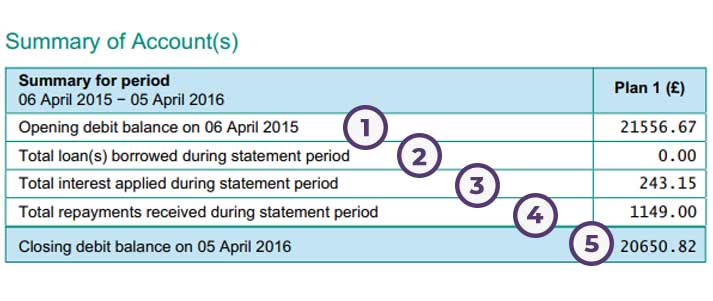
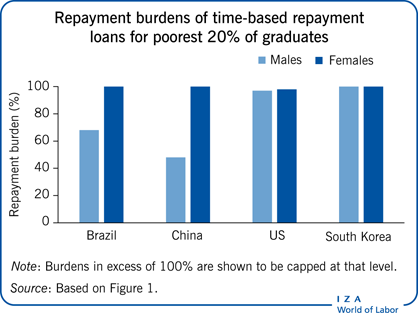
4
International Student Loan Payroll Policies
Many countries adopt structured repayment frameworks similar to student loan payroll mechanisms.
Government education finance agencies design these systems to reduce national default exposure and improve public loan recovery.
For example, income-contingent repayment models are used in several developed economies to align education financing with labor market income generation.
The policy objective is balancing accessibility of higher education and financial sustainability.
Legal Compliance Framework of Student Loan Payroll
Authorization Requirements
Payroll-based student loan deduction usually requires:
- Written borrower consent or statutory mandate
- Employer operational compliance
- Verified loan servicing account
- Transparent payment reporting
In most regulatory environments, unauthorized salary deduction is prohibited.
The legal structure protects employee income rights while supporting structured repayment of education financing obligations.
Role of Government Financial Authorities
Organizations such as the U.S. Department of Education oversee federal student lending programs.
Similarly, tax and wage monitoring institutions like the Internal Revenue Service provide payroll compliance frameworks relevant to debt withholding operations.
These agencies ensure repayment accuracy and fraud prevention.
Economic Sustainability of Student Loan Payroll Models
Public Debt Portfolio Management
Education loan portfolios are considered long-term government assets.
Student loan payroll systems help maintain:
- Stable cash inflow from employed borrowers
- Reduced collection costs
- Predictable repayment velocity
Research in public finance indicates automatic repayment improves loan portfolio performance.
Default Risk Mitigation
Default risk occurs when borrowers fail to repay education debt.
Payroll-linked repayment reduces risk because:
- Installments are deducted before discretionary spending
- Employment income acts as repayment security
- Payment delay probability decreases
Student loan payroll models are therefore considered risk-controlled lending infrastructure.
also read: https://fundbulletins.com/dollywood-herschend-palace-entertainment-acquisition-loan/
Financial Metrics Used in Student Loan Payroll Evaluation
Debt-Service Coverage Consideration
Financial planners analyze borrower repayment capacity using debt-service indicators.
Important measurement variables include:
| Metric | Meaning | Importance |
|---|---|---|
| Income Stability | Employment continuity | High |
| Repayment Ratio | Salary deduction percentage | High |
| Living Cost Pressure | Disposable income protection | Medium |
| Interest Accumulation Rate | Loan cost growth | High |
Sustainable student loan payroll systems usually maintain moderate deduction ratios.
Technology Integration in Payroll Loan Collection
Modern student loan payroll processing uses digital infrastructure.
Key technologies include:
- Automated payroll software
- Banking API integration
- Secure financial data transmission
- Cloud-based loan management systems
Fintech platforms are improving repayment efficiency.
Blockchain-based verification models are being explored for future education financing.
Social Impact of Student Loan Payroll Systems
Education Accessibility
Payroll-based repayment allows governments to:
- Expand higher education access
- Reduce upfront tuition burden
- Promote workforce skill development
Human capital theory suggests education investment improves long-term economic productivity.
Workforce Mobility Considerations
Employees changing jobs may face:
- Transfer of repayment records
- New employer notification requirements
- Payment continuity validation
Some jurisdictions maintain centralized student loan tracking databases.
Risks Associated With Student Loan Payroll
Income Reduction Pressure
Excessive payroll withholding may reduce:
- Consumer spending ability
- Household financial flexibility
Policy designers often establish maximum deduction thresholds.
Administrative System Failure
Technical risks include:
- Payroll database synchronization errors
- Payment routing failure
- Identity verification mismatch
Financial institutions mitigate risk using redundant verification layers.
Future Trends in Student Loan Payroll Financing
AI-Based Credit Assessment
Machine learning models may predict repayment probability using:
- Employment history
- Income trajectory
- Education specialization
- Regional economic indicators
AI-assisted lending improves decision accuracy.
Personalized Repayment Modeling
Future systems may adjust student loan payroll deduction rates dynamically.
Potential variables include:
- Inflation index adjustment
- Career progression signals
- Household dependency ratio
People Also Ask (PAA)
What is student loan payroll deduction?
It is an automatic repayment method where student loan installments are deducted from salary income.
Is student loan payroll mandatory?
It depends on national legislation, loan contract terms, and employment regulations.
Does payroll deduction reduce default risk?
Yes, automatic salary-based repayment improves collection reliability.
Who controls payroll student loan collection?
Government education authorities or authorized financial institutions typically manage it.
Can employees opt out of payroll deduction?
Opt-out options depend on legal and contractual conditions.
Internal Summary
Student loan payroll systems represent structured education debt management tools that integrate employment income processing with public or private lending programs. These systems aim to reduce default risk while maintaining higher education accessibility.
References
- U.S. Department of Education – Federal Student Aid Programs
https://studentaid.gov - OECD Education Financing Reports
https://www.oecd.org/education - World Bank – Higher Education Finance Research
https://www.worldbank.org/en/topic/education - Internal Revenue Service Payroll Guidelines
https://www.irs.gov - National Consumer Law Center – Student Loan Policy Analysis
https://www.nclc.org - International Labour Organization Wage Protection Studies
https://www.ilo.org
Disclaimer:
The content provided is for informational purposes only and does not constitute financial, investment, legal, or tax advice. While efforts are made to ensure accuracy, no guarantees are given regarding completeness or reliability. Any action you take upon the information is strictly at your own risk. We recommend consulting a licensed financial advisor or professional before making financial decisions